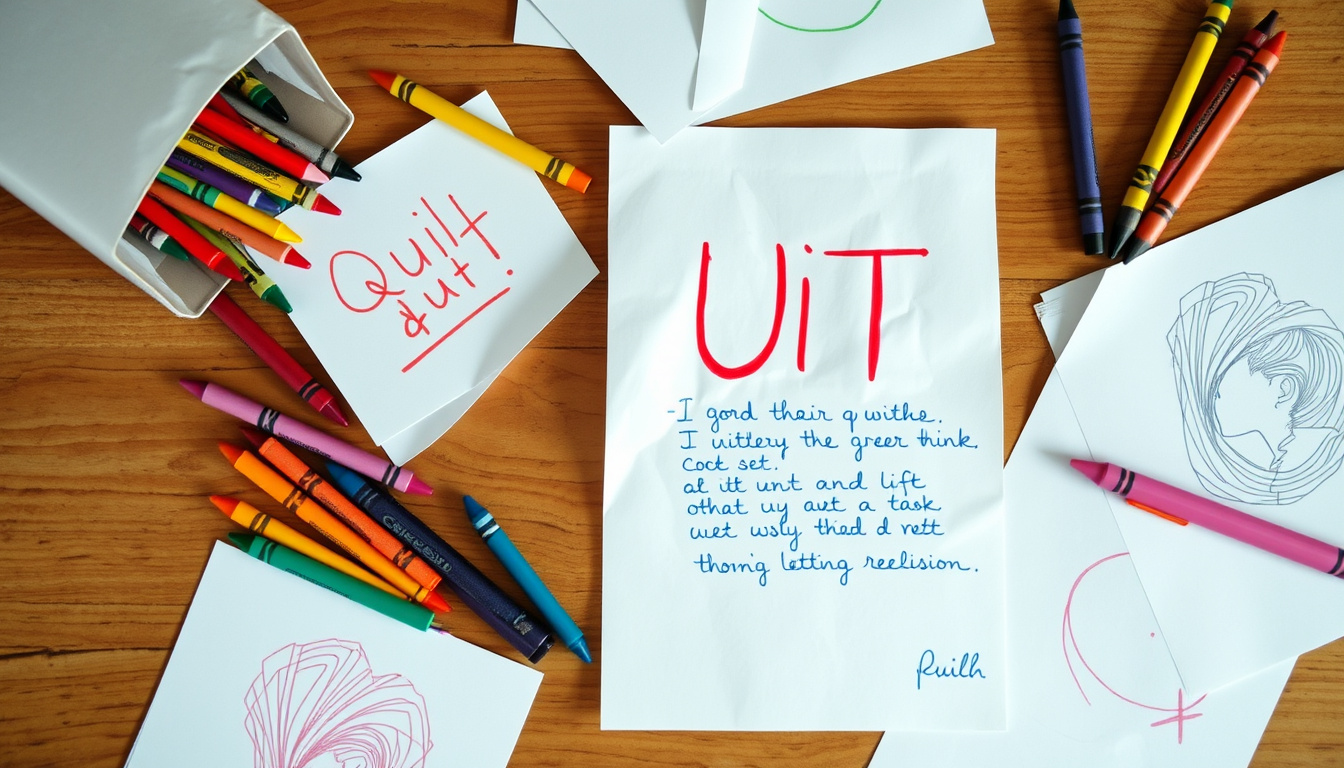

The Day the Crayons Quit is a 2013 children’s picture book that transformed a simple crayon box into a comedy of creative grievances. Written by Drew Daywalt and illustrated by Oliver Jeffers, the story unfolds through a series of complaint letters from crayons belonging to a boy named Duncan. Each crayon has its own frustration—Red feels overworked, Blue exhausted, Pink ignored—and the book resolves these disputes through one boy’s unexpected act of artistic collaboration.
Since its debut, the book has collected more than 60 national and international awards, including the Goodreads Choice Award for Best Picture Book in 2013. It became a #1 New York Times bestseller and has sold over 1.5 million copies. The book’s blend of humor, empathy, and colorful characters has made it a staple in classrooms, libraries, and home reading corners across the country.
This guide covers the book’s plot, creators, age range, awards, sequels, film status, available activities, and purchasing options. It draws from publisher sources, book review sites, and official author information to present a complete picture of the title and its legacy.
What Is The Day the Crayons Quit About?
The story begins when Duncan opens his crayon box and discovers a stack of letters—one from each color. Red complains about being used for everything from fire trucks to apples. Blue protests that he has to color oceans, skies, and everything in between until he is worn down to a stub. Pink feels invisible because no one chooses her. Beige resents being overshadowed by Brown, while Black points out that he only gets to draw outlines and borders.
Yellow and Orange have their own dispute: they argue about who should color the sun. Peach is embarrassed about being “naked” without a paper wrapper. Each letter reveals the crayon personalities and their struggles for recognition. Duncan listens to every grievance and responds by creating a drawing that uses all of the crayons together, mixing their colors into something new and satisfying. The drawing earns praise from his teacher and brings harmony back to the crayon box.
At its core, the book explores perspective, empathy, and creative problem-solving. It invites readers to consider feelings from a point of view they may never have imagined—that of ordinary art supplies.
Book Snapshot
| Fact | Details |
|---|---|
| Genre | Children’s picture book |
| Format | Hardcover |
| Pages | 36 |
| Publisher | Philomel Books (Penguin) |
| Release Date | June 27, 2013 |
| Author | Drew Daywalt |
| Illustrator | Oliver Jeffers |
Key Highlights
- The story is told entirely through letters written by the crayons, giving each color a distinct voice and personality.
- Duncan’s solution—combining all crayons into a multicolored drawing—models collaborative problem-solving.
- The book emphasizes themes of empathy, perspective-taking, and inclusion.
- Over 60 awards and honors recognize its impact on children’s literature.
- More than 1.5 million copies have been sold since publication.
- The book’s humor and emotional warmth appeal to children and adults alike.
- It is widely used in educational settings to spark classroom discussions about feelings and creativity.
Ask children to pick a favorite crayon from the story and describe how that color might feel being used—or not used—every day. This simple exercise helps build empathy while reinforcing reading comprehension.
Who Wrote and Illustrated The Day the Crayons Quit?
Drew Daywalt: Author Background
Drew Daywalt is an American author and screenwriter best known for The Day the Crayons Quit and its sequel, The Day the Crayons Came Home. According to his official website, Daywalt developed the concept for the crayon letters after considering how objects in daily life might have feelings and frustrations if they could express them.
Daywalt has worked as a screenwriter in addition to writing children’s books. The Crayons series remains his most recognized work to date, spawning multiple titles and international recognition. He continues to engage with readers through his website and social media platforms.
Oliver Jeffers: Illustrator Details
Oliver Jeffers is an artist, illustrator, and author from Belfast, Northern Ireland. His official website describes a body of work that spans picture books, fine art, and illustration. Jeffers brings the crayon characters to life with his signature style—simple shapes, warm colors, and expressive figures that resonate with young readers.
Jeffers’ collaboration with Daywalt has been cited as a key reason for the book’s visual charm. The illustrations capture each crayon’s personality without overwhelming the text, allowing the letters to carry much of the narrative weight. His artwork complements the humor of the letters and helps children connect emotionally with each character’s complaints.
Oliver Jeffers has also written and illustrated his own picture books, including The Incredible Book Eating Boy and The Day the Crayons Quit represents one of his most collaborative projects with a co-author.
What Age Group Is The Day the Crayons Quit For?
The book is generally recommended for children ages 3 to 7, based on its picture book format, humor level, and themes. The text is minimal and accessible, relying heavily on the illustrations to tell the story. This makes it suitable for read-aloud sessions with preschoolers and early readers who can tackle short sentences on their own.
Reviews from Common Sense Media indicate that the book works well for a wide age range. Younger children enjoy identifying the crayons and acting out the complaints, while older children appreciate the humor and the underlying messages about perspective and teamwork. Adults frequently report enjoying the book just as much as their children, which has contributed to its success as a family read-aloud title.
The themes of creativity, problem-solving, and emotional expression make it a strong choice for classroom use in pre-K through second grade. Teachers use it to introduce concepts like conflict resolution, perspective-taking, and descriptive writing. The letter format also provides an opportunity to discuss tone, audience, and voice in writing instruction.
Common Sense Media rates the book as appropriate for ages 3 and up, noting that the humor and visual storytelling appeal to a broad audience, including siblings reading together or adults reading independently.
Are There Sequels or Adaptations?
Sequels Overview
The first sequel, The Day the Crayons Came Home, was published in 2015. In this follow-up, the crayons return with new complaints, and some previously discarded crayons make their way back to Duncan after being sent on vacation with postcards. The sequel continues the letter format and expands the crayon cast while reinforcing themes of belonging and creative expression.
A second sequel further extends the series, maintaining the same playful approach to crayon personalities. The books are designed to stand alone but together they build a cohesive world around Duncan and his colorful companions.
Film or TV Status
Universal Studios acquired film rights to The Day the Crayons Quit in July 2014. According to available sources, screenwriter Matt Lopez was attached to write the script and Madhouse Entertainment was set to produce. However, no further updates, production timelines, or release dates have been announced. As of 2025, the film project remains unconfirmed beyond the initial rights acquisition.
Film rights were acquired in 2014, but no production date or release has been confirmed. Readers interested in updates should check official studio announcements or the author’s website for the latest information. Readers interested in updates should check official studio announcements or the author’s website for the latest information, and can also find details on La Liga games today.
When Did The Day the Crayons Quit Achieve Success?
- June 27, 2013 — The book was published by Philomel Books, a Penguin imprint, launching the crayon letter concept to readers.
- Late 2013 — The book won the Goodreads Choice Award for Best Picture Book and was named a top children’s book by Amazon and Barnes & Noble.
- 2014 — Universal Studios acquired film rights, signaling mainstream media interest in the property.
- 2015 — The sequel, The Day the Crayons Came Home, was published and continued the series’ popularity.
- Ongoing years — The book has appeared on bestseller lists for a cumulative total exceeding 258 weeks, with over 1.5 million copies sold globally.
What Is Established and What Remains Unclear?
| Established Information | Unconfirmed or Unknown Details |
|---|---|
| The book was written by Drew Daywalt and illustrated by Oliver Jeffers. | No confirmed film or animated series release date. |
| It was published in 2013 by Philomel Books. | No verified ISBN listed in publicly available sources. |
| The story centers on Duncan and crayons writing complaint letters. | Full details of the sequel series beyond two confirmed titles are limited. |
| Over 60 national and international awards were received. | Limited information about Daywalt’s other writing projects beyond the Crayons series. |
| It became a #1 New York Times bestseller with 1.5 million+ copies sold. | Specific teacher guides or printable activities are not broadly linked online. |
Why Does This Book Remain Popular?
The Day the Crayons Quit succeeded because it combined humor with emotional intelligence in a way that resonated across generations. By giving crayons voices and personalities, the book invited readers to practice empathy—a skill typically developed through human relationships—applied to inanimate objects. This approach felt fresh and accessible to children who were already familiar with crayons but had never considered their perspective.
The book’s design also contributed to its longevity. Jeffers’ illustrations are simple enough to reproduce in classroom art projects while detailed enough to reward repeated readings. The letter format provided a natural entry point for discussions about voice, tone, and written expression.
Educators embraced the title for its versatility. It supports lessons in literacy, social-emotional learning, and creative arts. Parents found it useful for opening conversations about emotions, fairness, and collaboration. These overlapping use cases helped the book maintain visibility long after its initial release.
What Sources and Reviews Support This Book?
“Drew Daywalt and Oliver Jeffers have created a picture book that speaks to every age.”
— Drew Daywalt official website
“The Day the Crayons Quit combines humor and heart in a way that works for both kids and adults.”
— Book review from Pop Goes the Reader
“The humor comes from the perspective of the crayons, but the heart comes from Duncan’s response.”
— Hello RASAL Kids book review
Sources for this article include Drew Daywalt’s official website, Oliver Jeffers’ official website, Common Sense Media, and book review sites. These outlets provide book summaries, creator backgrounds, age-based guidance, and award documentation.
What to Remember About The Day the Crayons Quit
The Day the Crayons Quit is a children’s picture book that uses humor and letter writing to explore empathy, perspective, and creative problem-solving. Written by Drew Daywalt and illustrated by Oliver Jeffers, it won more than 60 awards, became a #1 New York Times bestseller, and has sold over 1.5 million copies. It is recommended for children ages 3 to 7 and widely used in educational settings to support literacy and social-emotional learning. A sequel exists, film rights have been acquired, and the book continues to be read and discussed in classrooms and homes. For those exploring similar stories, the Cat in the Hat offers another classic Dr. Seuss title focused on creative problem-solving for young readers.
Frequently Asked Questions
Has The Day the Crayons Quit won awards?
Yes. It won the Goodreads Choice Award for Best Picture Book in 2013 and has received over 60 national and international awards, including Amazon’s Best Children’s Book (2013), Barnes & Noble Best Book (2013), and TIME Magazine’s 100 Best Children’s Books of All Time.
What are other books by Drew Daywalt?
Drew Daywalt is primarily known for The Day the Crayons Quit and The Day the Crayons Came Home series. Limited information is available about additional titles outside this series.
Is there a movie adaptation of The Day the Crayons Quit?
Universal Studios acquired film rights in 2014, and screenwriter Matt Lopez was attached. However, no production date or confirmed release has been announced as of 2025.
Where can I buy The Day the Crayons Quit?
The book is available through major retailers including Amazon, Barnes & Noble, and local bookstores. It is sold as a hardcover picture book through Philomel Books.
Are there activities for The Day the Crayons Quit?
The Penguin Classroom Portal and author website offer ideas for classroom activities, including creative writing prompts, art projects, and discussions about color and emotions. Specific printable guides may require registration on the publisher site.
Who is Oliver Jeffers?
Oliver Jeffers is an artist and illustrator from Belfast, Northern Ireland, known for his picture books including The Incredible Book Eating Boy and his collaborative work on The Day the Crayons Quit.
Related stories





Liam O'Brien covers Australian politics and public affairs for Oz Insightlab.