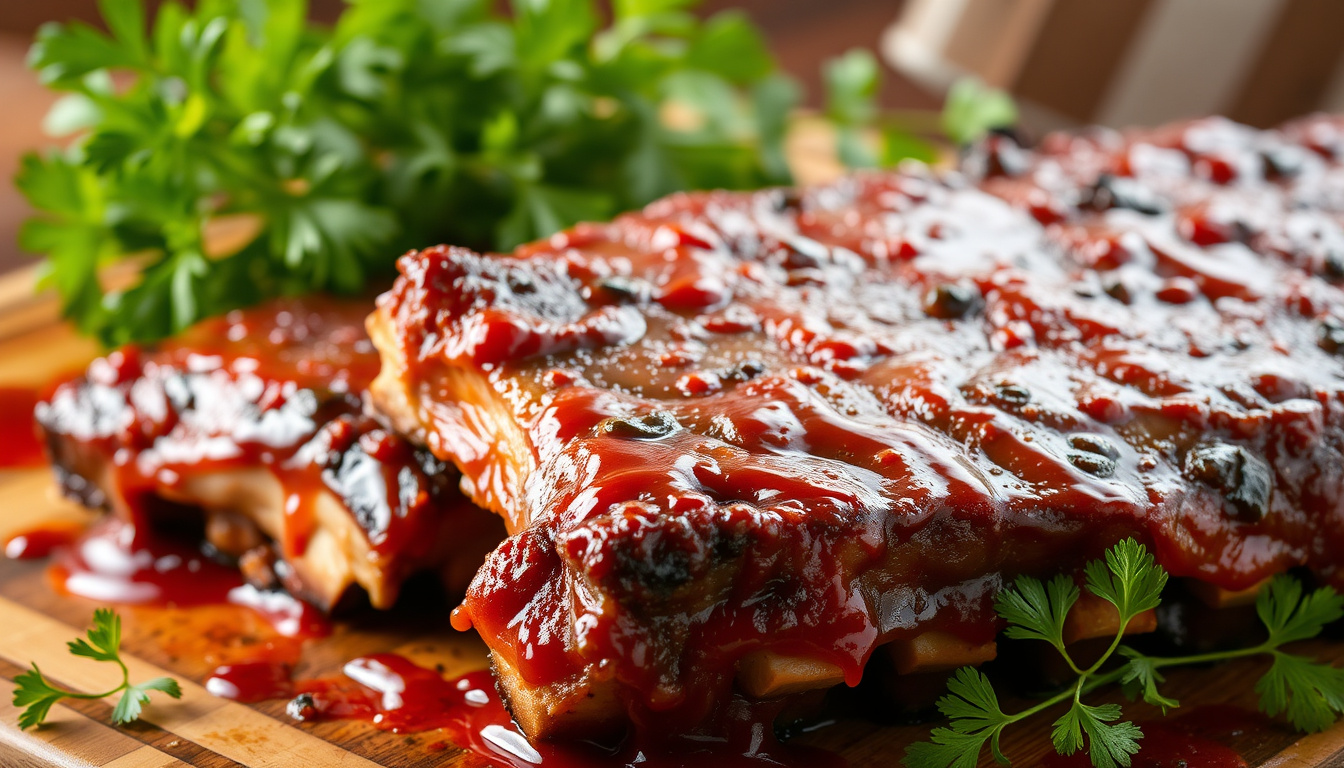

Few dishes evoke the spirit of outdoor cooking quite like pork ribs. Whether you’re aiming for that classic smoky bark or fall-off-the-bone tenderness, mastering pork ribs at home opens up a world of flavor possibilities. This guide walks through the essential techniques, from selecting the right cut to applying the perfect dry rub, ensuring your next batch of ribs rivals anything from a competition smoker.
The beauty of pork ribs lies in their versatility. Baby back ribs offer a leaner, more delicate option ideal for quick oven baking, while spare ribs provide a meatier canvas for bold flavors. Understanding how different cooking methods affect texture and taste helps home cooks choose the approach that best suits their kitchen setup and preferences.
This article covers proven methods for achieving tender, flavorful ribs without specialized equipment, along with guidance for those ready to tackle grilling or smoking techniques. Each approach draws from tested recipes and food safety standards to help you cook with confidence.
How Do You Cook Pork Ribs?
Pork ribs can be cooked using several methods, each producing distinct results. The oven method remains the most accessible for home cooks, requiring only a baking sheet and aluminum foil. Grilling adds charred complexity, while smoking delivers traditional barbecue flavor over extended cook times. For those exploring different approaches, learning how smoking compares to grilling can help determine which technique suits your needs.
Regardless of the method chosen, certain principles remain constant. Removing the membrane from the bone side prevents chewy texture. Applying a dry rub generously to both sides builds flavor layers. Low temperatures combined with sealed cooking environments break down collagen into tender gelatin without drying the meat.
The foil-wrapped oven method essentially creates a makeshift smoker by trapping steam and juices. This technique delivers fall-off-the-bone results without any special equipment.
Essential Tips for Perfect Ribs
- Always remove the silverskin membrane from the bone side using paper towels for grip
- Pat ribs completely dry before applying any seasoning
- Massage the dry rub into the meat to ensure proper adhesion
- Allow the rub to rest on the meat for at least 30 minutes before cooking
- Seal the ribs tightly in foil to trap moisture during oven cooking
- Let rested ribs sit for 5-10 minutes before slicing for juicier results
| Rib Type | Cook Time | Temperature | Internal Temp |
|---|---|---|---|
| Baby Back Ribs | 2-2.5 hours | 275-300°F | 190-205°F |
| Spare Ribs | 3-4 hours | 250-275°F | 195-203°F |
| St. Louis Style | 3-3.5 hours | 275°F | 190-205°F |
What Is the Best Pork Ribs Recipe?
The best pork ribs recipe combines proper preparation technique with a balanced dry rub. Several tested recipes demonstrate how ingredient choices affect final flavor. A basic savory dry rub provides a gluten-free foundation using cumin, paprika, oregano, salt, pepper, and garlic powder.
Dry Rub Varieties
Different rub profiles suit different preferences and cooking methods. Smoky BBQ-style rubs incorporate brown sugar for caramelization alongside smoked paprika and cayenne for heat. These sweet and savory combinations work particularly well with oven baking techniques that lack the natural smoke exposure of outdoor cooking.
Cajun-inspired rubs often include instant coffee, which adds bitter complexity that balances sweet brown sugar. Reserve half the rub for finishing applications to build layered flavor.
The debate between dry rubs and wet marinades often comes down to desired texture. Dry rubs form a crust (known as bark) that crisps the exterior while allowing the interior to remain tender. Marinades, particularly those with mustard or acidic components, can make bark soggy if applied too heavily.
Applying the Rub
- Pat the ribs completely dry with paper towels
- Remove the silver membrane from the bone side
- Sprinkle rub generously across both sides
- Massage the seasoning into the meat surface
- Allow resting for 30-60 minutes at room temperature
- Store excess rub in an airtight container for future use
How Long to Cook Pork Ribs in the Oven?
Oven baking requires 2.5 to 3 hours at 275-300°F for baby back ribs to reach proper tenderness. Spare ribs typically need 3 to 4 hours due to their larger size and higher connective tissue content. The sealed foil environment traps steam, accelerating collagen breakdown while maintaining moisture.
Temperature and Time Guidelines
Low-and-slow cooking between 275°F and 300°F produces the most tender results. Some cooks prefer a faster method using 375°F for approximately 1 hour 20 minutes, followed by unwrapping, re-applying rub, and baking uncovered for an additional 20 minutes to develop char. This higher-heat approach sacrifices some tenderness for efficiency.
Internal temperature serves as the most reliable doneness indicator. The USDA minimum safe temperature for pork is 145°F, but ribs achieve proper texture at 190-205°F. At this range, the collagen has fully converted to gelatin, and the bone twists easily from the meat. Understanding proper meat temperature guidelines ensures food safety without overcooking.
Always use a meat thermometer to verify internal temperature. Allow rested ribs to sit for 5 minutes before slicing, and avoid cross-contamination by keeping raw and cooked meats separate.
Step-by-Step Oven Method
- Preheat oven to 275-300°F and line a baking sheet with aluminum foil
- Remove membrane from the bone side, pat dry, and apply dry rub to both sides
- Place ribs bone-side down, meat-side up, on the prepared sheet
- Seal tightly with another layer of foil to trap steam and juices
- Bake for 2.5-3 hours until meat pulls easily from the bone
- Optional: Unwrap, brush with BBQ sauce, and broil 5 minutes per side
- Rest 5-10 minutes before slicing between bones
Baby Back Ribs vs Spare Ribs: Which to Choose?
Baby back ribs and spare ribs represent the two most common cuts available, each with distinct characteristics. Baby back ribs come from the loin area, curved along the spine, and typically weigh 2-3 pounds per full rack. Their smaller size means faster cooking and a more tender texture with less fat.
Understanding Rib Cuts
Spare ribs originate from the belly area, below the baby back section. They include more meat and connective tissue, resulting in richer flavor when properly cooked. St. Louis-style spare ribs have been trimmed into a more uniform rectangular shape, removing the breast bone and skirt for even cooking.
Choose baby back ribs for quicker cooking and leaner meat. Select spare ribs when prioritizing flavor depth and don’t mind extended cook times. Both cuts respond equally well to dry rub applications.
The choice between cuts ultimately depends on serving size and time available. A standard serving of baby back ribs provides approximately half a rack per person, while spare ribs require slightly more due to their higher bone-to-meat ratio. Both cuts are readily available at most grocery stores and butcher shops.
Nutritional Considerations
Both rib types contain significant protein alongside fat content. For keto and low-carb diets, dry rubs offer an excellent seasoning method since they typically contain minimal sugar. Commercial BBQ sauces often include added sweeteners, so skipping sauce or using sugar-free alternatives maintains dietary compliance.
| Characteristic | Baby Back Ribs | Spare Ribs |
|---|---|---|
| Source | Along the spine (loin) | Below loin (belly) |
| Size | Smaller, curved | Larger, flatter |
| Meat-to-Bone | Higher ratio | Lower ratio |
| Fat Content | Leaner | More marbling |
| Cook Time | 2-2.5 hours | 3-4 hours |
| Flavor | Mild, tender | Rich, intense |
How to Grill or Smoke Pork Ribs?
Grilling and smoking represent the traditional approaches to preparing pork ribs, each requiring specific temperature management and timing. While oven methods work well for weeknight meals, outdoor cooking adds char and smoke flavor that many barbecue enthusiasts prefer.
The 3-2-1 Method Explained
The 3-2-1 method provides a structured approach for smokers, dividing the cook into distinct phases. The first three hours involve smoking at 225°F with the ribs unwrapped, allowing bark formation and smoke absorption. The next two hours proceed wrapped in foil with a small amount of liquid added, softening the meat through steam.
The final hour unwraps the ribs and applies sauce, allowing the glaze to caramelize over direct heat. This six-hour process yields results that closely mirror competition barbecue when executed properly.
Smoked ribs develop a characteristic “smoke ring” that oven-cooked ribs cannot replicate. However, adding liquid smoke to the foil packet or drizzling apple cider vinegar during oven cooking approximates some smokehouse qualities.
Grilling Technique
Grilling ribs requires indirect heat setup on a gas or charcoal grill. Place ribs bone-side down away from direct flames, maintaining temperature around 225-250°F. Most of the cooking occurs with the lid closed, similar to smoking but without wood chunks.
Finish sauced ribs over direct heat for 5 minutes per side to create caramelized marks. Alternatively, transfer oven-baked ribs to the grill for this finishing step, combining convenience with authentic charred flavor.
Slow Cooker and Instant Pot Options
Modern kitchen appliances offer alternative approaches for tender ribs. Slow cookers require 6-8 hours on low setting after applying rub and adding small amount of liquid. Instant Pot pressure cooking reduces time dramatically to 25-35 minutes plus natural release, though the resulting texture tends toward shreddable rather than sliceable.
Cooking Timeline: From Prep to Plate
Understanding the complete timeline helps plan rib preparation for any occasion. While actual cooking dominates the schedule, preparation and resting steps significantly impact final quality. All times assume standard baby back rib rack of 3-4 pounds.
- Preparation (15-20 minutes): Remove membrane, pat dry, apply dry rub to both sides, allow to rest at room temperature
- Initial Bake Phase (2-2.5 hours): Sealed in foil at 275-300°F, meat becomes probe-tender
- Sauce Application (15-20 minutes): Optional unwrapping, sauce brushing, broiler finishing
- Resting Period (5-10 minutes): Allow juices to redistribute before slicing
- Service: Slice between bones, serve immediately with chosen accompaniments
Total elapsed time from start to service typically spans 3-3.5 hours, making same-day rib preparation feasible with proper timing. Advance preparation through overnight rub refrigeration intensifies flavor penetration, though same-day application produces excellent results.
What We Know and What Remains Unclear
Several aspects of rib preparation have established consensus among tested recipes, while others show variation based on individual preference and equipment. Recognizing what is well-established versus what involves personal judgment helps set realistic expectations.
| Established Information | Variables and Preferences |
|---|---|
| Membrane removal essential for tenderness | Optimal rest time varies by recipe (5-30 min) |
| Internal temp 190-205°F for fall-off-bone | Sugar content in rubs based on dietary needs |
| Low-and-slow produces tenderer meat than high-heat fast methods | Sauce preferences range from none to heavy application |
| Dry rubs form better bark than wet marinades for oven cooking | Wood type choices for smokers (hickory, apple, mesquite) |
The Science Behind Tender Ribs
Understanding why certain techniques work helps cooks adapt recipes confidently. Pork ribs contain substantial connective tissue, primarily collagen, which differs fundamentally from the muscle fibers themselves. Collagen requires sustained moisture and heat to transform into edible gelatin.
At temperatures between 160-180°F, collagen begins converting to gelatin over extended periods. The sealed foil environment during oven cooking traps escaping liquids, creating a self-basting effect that maintains moisture despite the extended exposure. Without this steam environment, similar temperatures would dry the meat before collagen conversion completed.
The bark formation from dry rubs represents Maillard reaction chemistry, where amino acids react with sugars at sustained heat. This crust provides textural contrast and flavor complexity, but requires surface moisture evaporation to develop properly. Excessive sauce or foil unwrapping too early prevents adequate bark formation.
Sources and Guidelines
Cook to 145°F internal minimum for food safety, but allow 190-205°F for optimal tenderness. The pull test (bone twists easily) serves as a reliable alternative to temperature monitoring.
— USDA Food Safety Guidelines for Pork Preparation
Multiple tested recipe sources confirm that oven methods with proper dry rub application yield competitive results compared to specialized equipment. The fundamental requirements—membrane removal, low temperature, extended time, and sealed environment—remain consistent across professional and home kitchen preparations.
Summing Up Pork Ribs Preparation
Pork ribs reward patient cooks with minimal equipment required. The oven baking method, executed with proper dry rub and sealed cooking environment, produces fall-off-the-bone results that satisfy crowds without smoking equipment. Baby back and spare ribs both respond well to these techniques, with baby back offering faster turnaround and spare ribs providing richer flavor.
For those seeking more detailed oven rib instructions, numerous tested resources demonstrate these principles in action. Grilling and smoking extend possibilities further, but understanding the fundamentals enables confident experimentation regardless of equipment availability.
Frequently Asked Questions
How do you cook pork ribs in the oven?
Preheat oven to 275-300°F. Remove the membrane, pat dry, and apply dry rub generously to both sides. Place bone-side down on foil-lined sheet, seal tightly with foil, and bake 2.5-3 hours until tender and meat pulls from bone.
What is the best temperature for cooking pork ribs?
275-300°F produces optimal results for oven cooking. This low-and-slow range allows collagen breakdown while maintaining moisture. For food safety, ensure internal temperature reaches at least 145°F, though 190-205°F yields better tenderness.
Should I use dry rub or marinade for ribs?
Dry rubs work better for oven and smoker methods because they form a flavorful bark without making the exterior soggy. Marinades can tenderize but may prevent proper bark development unless used very sparingly.
What’s the difference between baby back and spare ribs?
Baby back ribs are smaller, leaner, and curve along the spine from the loin area. Spare ribs come from the belly, are larger and meatier, contain more fat, and require longer cooking times for tenderness.
How do I know when ribs are done cooking?
The bone should twist easily from the meat, and the meat should pull away when tested with a fork. Internal temperature of 190-205°F confirms doneness. The meat will visibly shrink from the bone ends.
Can I make ribs without a smoker?
Yes. The foil-wrapped oven method creates steam that mimics smoker results. Adding liquid smoke to the foil packet or apple cider vinegar enhances smoke-like flavor. Finish under the broiler for char marks.
How long should ribs rest before slicing?
Allow ribs to rest 5-10 minutes after removing from heat. This lets juices redistribute throughout the meat, resulting in moister slices. Tent loosely with foil to retain warmth during resting.
Related stories




Liam O'Brien covers Australian politics and public affairs for Oz Insightlab.