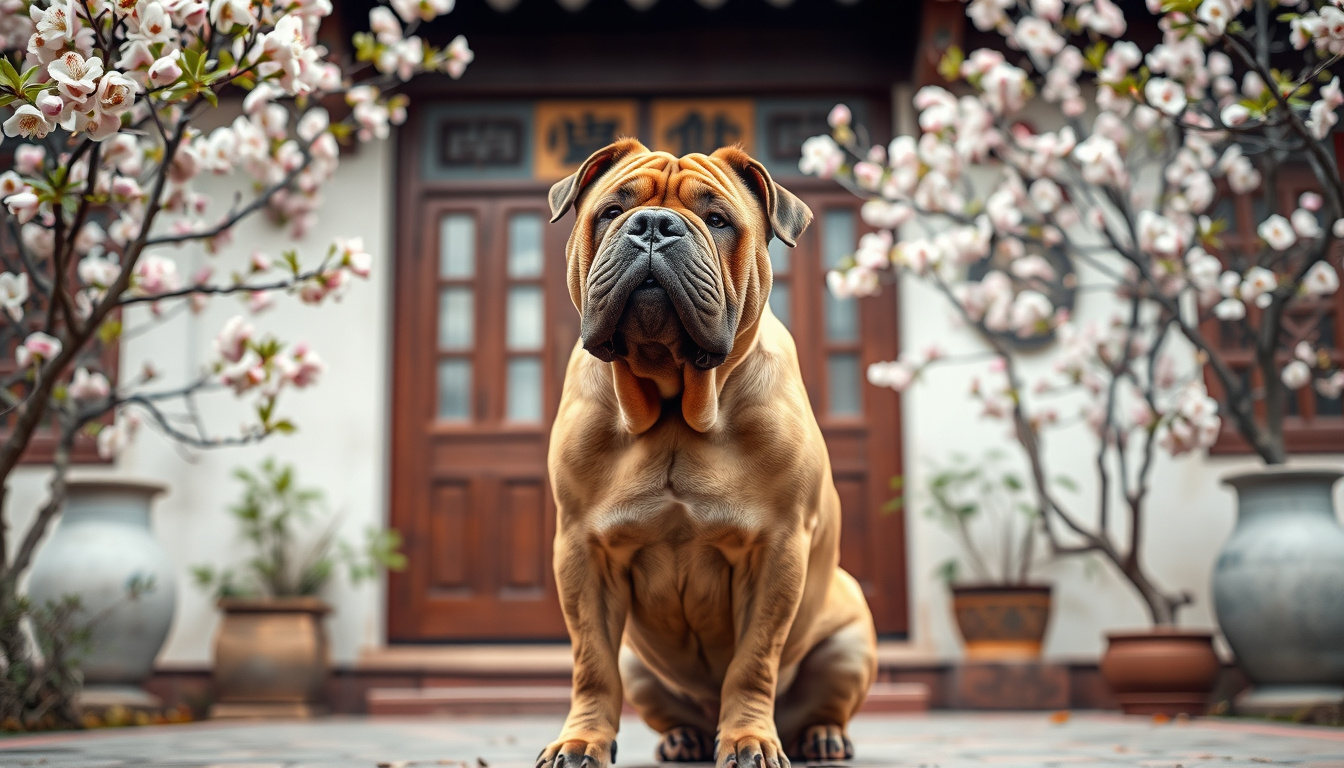

The Shar Pei is an ancient Chinese breed distinguished by its deep wrinkles, blue-black tongue, and independent spirit. These medium-sized dogs were originally developed for guarding, hunting, herding, and even fighting, which shaped their distinctive appearance and complex temperament. Today, the breed is prized as a loyal family companion for experienced owners who understand their unique needs.
Originally from southern China, the Shar Pei nearly disappeared during the twentieth century before dedicated breeding efforts in the 1970s saved the breed from extinction. Their signature wrinkled skin served a practical purpose during their fighting days, providing protection against opponent bites while their loose coat made it difficult for rivals to gain a firm grip. This genetic heritage contributes to the breed’s modern characteristics, including specific health considerations that prospective owners must understand.
The breed belongs to the Non-Sporting Group according to the American Kennel Club and typically lives between 9 and 12 years. Their compact, muscular build and calm demeanor make them well-suited for various living situations, though their protective nature and specific care requirements demand thoughtful consideration before bringing one into a household.
What Is a Shar Pei Dog?
The Chinese Shar Pei is a medium-sized breed recognized worldwide for its striking physical appearance. Their most defining characteristic is the loose, folded skin that covers the face, head, and body, creating the perpetually “frowning” or “hippopotamus” expression that makes them instantly recognizable. Beyond their wrinkles, Shar Peis possess several unique physical traits that set them apart from other breeds.
China
Medium (40-60 lbs)
9-12 years
Non-Sporting
Key Characteristics of the Breed
Understanding the Shar Pei requires familiarity with their distinctive physical and behavioral traits. Here are the essential characteristics that define this ancient breed:
- Iconic wrinkled skin that requires specialized cleaning and care routines
- Blue-black tongue and mouth, with lavender coloring appearing in lighter-coated dogs
- Loyal and devoted temperament with strong family bonds
- Natural wariness toward strangers and potential dog aggression without proper socialization
- Prone to several hereditary health conditions, particularly skin fold infections and eye problems
- Rare breed status contributing to higher than average puppy prices
- Independent, sometimes stubborn nature requiring experienced handling
Physical Traits and Appearance
Shar Peis possess a compact, muscular build with a broad head and deep chest. Their eyes are almond-shaped and typically dark, while their ears are small and set high on the skull. The breed’s tail curls high over the back, adding to their distinctive silhouette.
| Trait | Details |
|---|---|
| Height | 18-20 inches (46-51 cm for males; 43-48 cm for females) |
| Weight | 40-60 pounds (18-29 kg) |
| Coat Type | Short, harsh, straight coat with no undercoat |
| Available Colors | Black, cream, fawn, lilac, red, chocolate, sand, and other solid colors |
| Distinctive Feature | Loose, folded skin particularly on face, head, and body |
| Tongue Color | Blue-black tongue and mouth (lavender in lighter coats) |
| Build | Compact, muscular, deep-chested with powerful hindquarters |
| Eyes | Almond-shaped, typically dark in color |
| Tail | Curled high over the back |
| Lifespan | 9-12 years, with some individuals living up to 15 years |
Shar Pei Temperament and Personality
The Shar Pei temperament is characterized by confidence, devotion, and independence. These dogs form strong bonds with their families but maintain a naturally aloof demeanor toward strangers. Their watchful nature makes them excellent guardians, though this protectiveness requires careful management through early socialization and consistent training.
Are Shar Peis Aggressive?
Shar Peis are not typically aggressive toward humans, but their history as guarding and fighting dogs has left them with certain defensive instincts. They may direct aggression toward other dogs or perceived threats, particularly if they were poorly socialized during puppyhood. According to veterinary sources, proper training from an early age ensures that Shar Peis remain calm and composed around strangers and unfamiliar situations.
Shar Peis with inadequate training or socialization may exhibit territorial behavior and defensiveness. Their power and stubbornness can make untrained individuals potentially dangerous in confrontational situations. Early and ongoing positive reinforcement training is essential for managing these instincts.
Shar Pei Temperament with Children
When properly socialized, Shar Peis can be good family dogs and demonstrate loyalty and affection toward children. However, their size, strength, and protective nature mean that interactions between Shar Peis and young children should always be supervised. The breed’s independent streak means they may not tolerate rough handling or unexpected disturbances.
Compatibility with Other Pets
Shar Peis are generally not recommended for homes with other dogs or small animals. Their dog aggression tendencies and hunting drive can create dangerous situations, particularly with unfamiliar animals. Single-dog households without cats typically provide the most suitable environment for this breed. Introducing a Shar Pei to an existing pet family requires careful, gradual socialization under experienced guidance.
Energy Level and Activity Needs
The Shar Pei has a moderate energy level and is not an overly active breed. Daily walks and moderate exercise suffice to keep them healthy and content. Their relatively calm nature makes them well-suited for apartments and smaller living spaces, though they still require regular outdoor activity and mental stimulation.
Shar Pei Health Issues and Wrinkles
One of the most significant considerations for potential Shar Pei owners is the breed’s predisposition to various health problems. While generally considered hardy dogs, Shar Peis require diligent care, particularly regarding their distinctive skin folds. Many of these health issues can lead to substantial veterinary expenses over the dog’s lifetime.
Why Do Shar Peis Have Wrinkles?
The Shar Pei’s wrinkled skin originated as a functional adaptation for their historical role in dog fighting. The loose, folded skin made it difficult for opponents to secure a grip during combat, providing crucial protection against bites and injuries to vital areas. This genetic trait has been preserved and emphasized through selective breeding, though it comes with modern-day health considerations.
Common Health Problems
Shar Peis are prone to several hereditary and breed-specific health conditions that owners should monitor throughout their dog’s life:
- Skin fold infections: The wrinkles trap moisture, creating an environment conducive to fungal and bacterial infections, allergies, and demodex mange
- Entropion: An eye condition where the eyelids roll inward, causing the lashes to rub against the cornea
- Hip dysplasia: A hereditary condition affecting the hip joint
- Hypothyroidism: Thyroid gland dysfunction
- Amyloidosis: A serious condition affecting the kidneys and liver
- Bloat: A potentially life-threatening condition requiring immediate veterinary attention
- Patellar luxation: Kneecap displacement
Health issues in Shar Peis often result in higher than average veterinary bills. Prospective owners should budget for regular check-ups, skin fold maintenance, and potential treatment of breed-specific conditions. Purchasing from health-screened breeders can help minimize some of these risks.
Managing Shar Pei Allergies
Shar Peis frequently experience skin allergies and sensitivities due to their wrinkled skin and coat type. Regular cleaning of skin folds with veterinarian-approved products helps prevent infections and allergic reactions. Dietary management and environmental controls may also be necessary for dogs with persistent allergy symptoms.
Daily cleaning of skin folds using vet-approved wipes or solutions prevents the buildup of moisture and debris that leads to infections. Drying folds thoroughly after cleaning and monitoring for redness, odor, or discharge are essential routine practices for Shar Pei owners.
How to Care for a Shar Pei Dog
Caring for a Shar Pei involves meeting their unique physical and emotional needs. While their short coat is relatively low-maintenance, their skin folds require consistent attention, and their independent nature demands specific training approaches. Understanding these requirements is essential for providing appropriate care.
Grooming Needs
The Shar Pei’s short, harsh coat sheds minimally and requires only weekly brushing to maintain its condition. However, the breed’s grooming demands extend well beyond coat care. Daily cleaning of skin folds prevents infections and odors, while regular ear cleaning and dental care round out the grooming routine.
Bathing should occur as needed, typically every four to six weeks, using gentle, hypoallergenic shampoos formulated for sensitive skin. Thorough drying of all skin folds after bathing or swimming is crucial to prevent moisture-related problems.
Exercise Requirements
Shar Peis need moderate daily exercise to stay healthy and prevent obesity. Regular walks, typically totaling 30 to 60 minutes per day, provide adequate physical activity. The breed does not require extensive exercise or high-energy activities, making them suitable for various lifestyles.
Owners should monitor Shar Peis during exercise in warm weather, as their shortened muzzle can make them prone to overheating. Cold weather also presents challenges, as the breed dislikes low temperatures and may require protective clothing during winter walks.
Training Your Shar Pei
Training a Shar Pei requires patience, consistency, and experience. The breed is known for being stubborn and independent, earning the nickname “stubborn mule” among enthusiasts. Positive reinforcement techniques work best, focusing on rewards for desired behaviors rather than punishment for mistakes.
Early socialization is particularly important for Shar Peis, helping to reduce their natural wariness toward strangers and mitigating potential aggression toward other dogs. Puppy training classes provide structured environments for developing social skills while building obedience foundations. The American Kennel Club notes that well-trained Shar Peis can earn Canine Good Citizen awards, demonstrating that the breed excels when given proper guidance. Professional training resources emphasize that early intervention and consistent techniques yield the best results with this breed.
Diet and Nutrition
Shar Peis thrive on high-quality dog food appropriate for their size, age, and activity level. Monitoring food portions helps prevent obesity, which can exacerbate joint problems and other health conditions. Owners should be aware of bloat risk and consider feeding smaller, more frequent meals rather than one large serving.
Shar Pei History and Origin
The Shar Pei is one of the oldest dog breeds, with origins dating back over 2,000 years to ancient China. The breed’s history is intertwined with Chinese culture, where they served multiple purposes in rural communities and eventually became valued fighting dogs.
Ancient Beginnings
Historical records and artwork suggest that Shar Peis existed during the Han Dynasty (206 BCE to 220 CE) in southern China. These dogs were multipurpose working animals, valued for their abilities in guarding property and families, hunting game, herding livestock, and participating in dog fighting competitions. Wikipedia’s breed history documents their use in these various roles throughout Chinese history. Encyclopedic sources confirm the breed’s ancient lineage and cultural significance.
The Fighting Heritage
Shar Peis were particularly valued as fighting dogs due to several physical characteristics developed through selective breeding. Their loose, wrinkled skin made it difficult for opponents to gain a firm grip, while their powerful jaws and robust build gave them competitive advantages in combat situations. The breed’s alert, loyal temperament also made them effective guardians of property and family.
Near Extinction and Revival
The breed faced near-extinction following China’s Cultural Revolution, when dog ownership was discouraged and many purebred populations were decimated. The Shar Pei survived primarily through specimens that had been exported to other regions before these restrictions took hold.
Dedicated breeders in Hong Kong and Taiwan maintained breeding programs during this period. In the 1970s, breed enthusiasts worked to revive the Shar Pei population, establishing the breed in the Western world and eventually achieving formal recognition from major kennel clubs.
Recognition and Modern Status
The American Kennel Club officially recognized the Shar Pei in 1991, solidifying the breed’s status in the canine world. Today, while no longer considered endangered, Shar Peis remain a relatively rare breed. Their distinctive appearance and complex temperament continue to attract dedicated enthusiasts who appreciate their unique combination of ancient heritage and loyal companionship.
Shar Pei Puppy Price and Acquisition
Acquiring a Shar Pei requires careful consideration of costs and sourcing. The breed’s rarity and specific health testing requirements contribute to higher than average puppy prices. Prospective owners should budget accordingly and prioritize reputable sources that conduct appropriate health screenings.
Understanding Puppy Costs
Shar Pei puppy prices vary significantly based on breeder reputation, geographic location, lineage, and health testing. While prices typically range from $1,000 to $3,000 or more, the initial purchase price represents only a portion of the lifetime cost of ownership. Veterinary care, specialized grooming products, quality food, and potential health treatments should all factor into budget planning.
Finding a Responsible Breeder
Prospective owners should seek breeders who perform health screenings on their breeding stock and provide documentation of health clearances. The ASPCA advises thoroughly researching breeders before making a purchase decision. Visiting breeding facilities, meeting parent dogs, and requesting health records demonstrate responsible acquisition practices. Industry guidance on breeder selection recommends verifying certifications and asking about genetic testing protocols.
Avoiding puppy mills and pet stores is essential, as these sources often prioritize profit over health and temperament. Reputable breeders typically have waiting lists, provide ongoing support, and are willing to answer questions about breed characteristics and care requirements.
Is a Shar Pei the Right Dog for You?
Deciding whether to welcome a Shar Pei into your home requires honest assessment of your experience level, lifestyle, and expectations. The breed is best suited for owners who understand their complex needs and can provide appropriate training, socialization, and care throughout the dog’s life.
Established Information
- Wrinkles require daily cleaning to prevent infections
- Prone to entropion and other eye conditions
- Generally calm but protective temperament
- Needs early and ongoing socialization
- Moderate exercise requirements
- Historically used for guarding and fighting
- Survived near-extinction in the 20th century
Information That Varies
- Individual aggression levels depend heavily on training
- Compatibility with children varies by socialization
- Specific health outcomes depend on breeding and care
- Energy levels can differ between individual dogs
- Compatibility with other pets is situational
- Exact puppy prices fluctuate by market and breeder
- Lifespan ranges from 9 to 15 years depending on multiple factors
Expert Perspectives on the Breed
The American Kennel Club describes the Shar Pei as a loyal companion with natural guarding instincts. Their characterization emphasizes the breed’s devoted nature and watchfulness, while acknowledging that they require experienced handling to reach their full potential as family companions.
The Chinese Shar Pei is a breed that demands understanding rather than control. Their independent nature and complex heritage make them rewarding companions for those willing to meet their unique needs.
Veterinary professionals consistently emphasize the importance of preventive care for Shar Peis, particularly regarding skin fold maintenance and early detection of breed-specific conditions. Regular veterinary check-ups allow for monitoring of potential health issues and timely intervention when problems arise. Veterinary resources specific to the breed provide detailed guidance on managing common health concerns.
Summary
The Shar Pei represents a remarkable combination of ancient heritage and distinctive appearance that has captured the interest of dog enthusiasts worldwide. Their wrinkled faces, blue-black tongues, and loyal temperaments make them unforgettable companions for the right owners. However, potential adopters must understand that this breed requires significant commitment to training, socialization, and specialized care, particularly regarding their unique skin folds. For experienced owners prepared to meet these requirements, the Shar Pei offers unwavering devotion and distinctive character that few other breeds can match. Those interested in learning about other family-friendly breeds may find helpful comparisons to guide their decision.
Frequently Asked Questions
How much does a Shar Pei puppy cost?
Shar Pei puppy prices typically range from $1,000 to $3,000 or more, depending on breeder reputation, lineage, health testing, and geographic location. The initial cost represents a fraction of lifetime ownership expenses, including veterinary care and specialized products.
What is the average lifespan of a Shar Pei?
Shar Peis generally live between 9 and 12 years, though some individuals may reach 15 years with proper care and good genetics. Regular veterinary check-ups and appropriate preventive care support longevity.
Are Shar Peis good with children?
Shar Peis can be good with children when properly socialized from puppyhood, but their size and protective nature require supervision during interactions. The breed is best suited for families with older children who understand how to respect the dog’s boundaries.
How often should Shar Pei skin folds be cleaned?
Shar Pei skin folds should be cleaned daily to prevent moisture buildup, bacterial growth, and infections. Using veterinarian-approved wipes or solutions, owners should gently clean all wrinkles and ensure they are thoroughly dried afterward.
Do Shar Peis require a lot of exercise?
Shar Peis have moderate exercise needs and do not require extensive physical activity. Daily walks totaling 30 to 60 minutes typically suffice. The breed adapts well to various living situations, including apartments, but still needs regular outdoor exercise.
Are Shar Peis easy to train?
Shar Peis are known for their stubbornness and independence, making training challenging for inexperienced owners. The breed responds best to firm, consistent, positive reinforcement techniques started early in puppyhood. Early socialization is particularly important for managing their natural wariness.
What health problems are common in Shar Peis?
Shar Peis are prone to several health issues including skin fold infections, entropion, hip dysplasia, hypothyroidism, amyloidosis, bloat, and patellar luxation. Regular veterinary monitoring and preventive care are essential for managing these conditions.

Andrew Ellis leads fact-checking, source verification and corrections at Oz Insightlab.