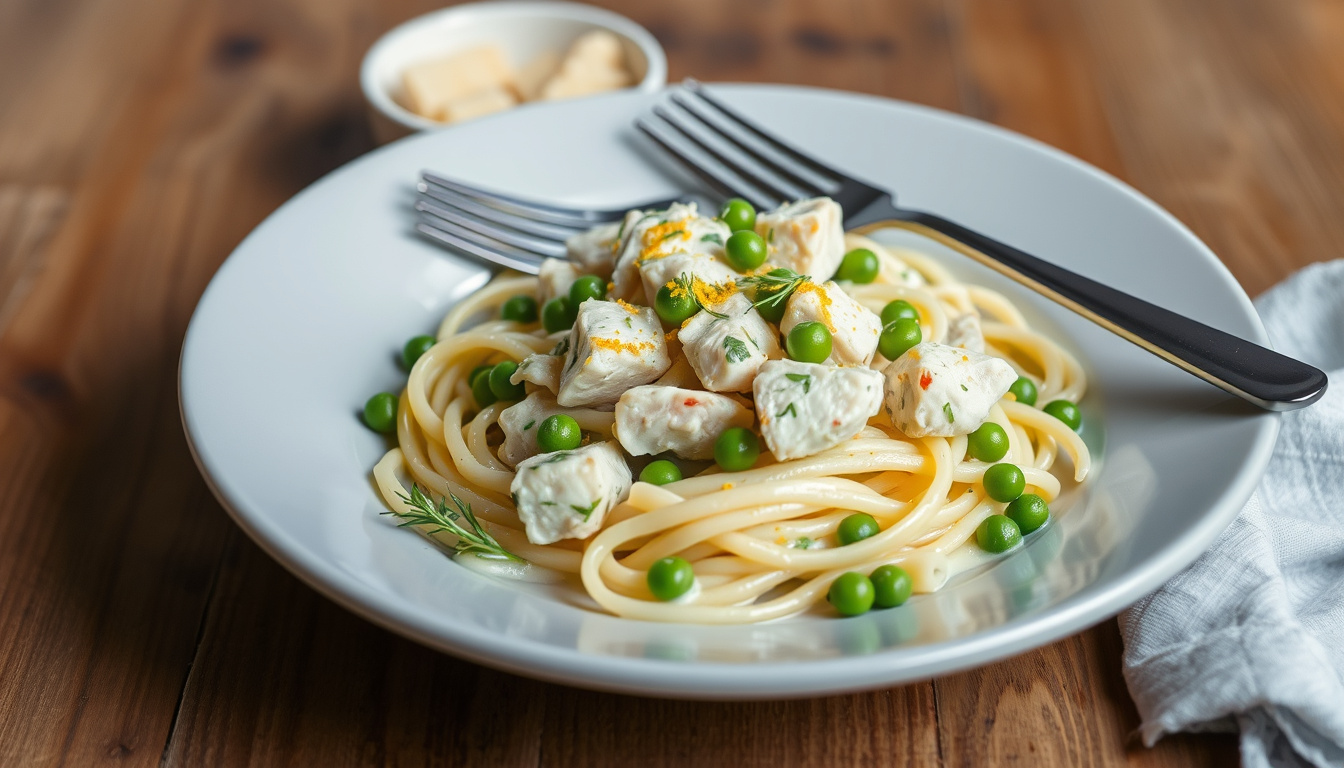
When a can of tuna and a box of pasta are all that’s staring back from the pantry, smart moves and the right technique can transform them into a satisfying meal in under 20 minutes. Multiple trusted recipe sources confirm that a 15‑minute tuna pasta is consistently delicious.
Average prep time: 15–20 minutes ·
Average cook time: 10–15 minutes ·
Canned tuna cost (per 5 oz can): $1.20–$2.50 ·
Most common pasta shape: spaghetti or penne ·
Pasta al tonno origin: Italy
Quick snapshot
- Canned tuna and pasta work beautifully together in Italian cuisine (RecipeTin Eats, trusted food blog)
- Tomato is the most common sauce base (Recipe Vibes, recipe site)
- Most versions are ready in under 30 minutes (RecipeTin Eats)
- Exact origin of pasta al tonno remains undocumented (BBC Good Food, established editorial publication)
- Optimal tuna‑to‑pasta ratio varies widely by recipe (RecipeTin Eats)
- Consensus across sources: total cook time 15–25 minutes (Salt & Lavender, recipe site; RecipeTin Eats)
- Try variations: creamy, mayo‑based, or baked versions
- Experiment with different pasta shapes and add‑ins
Quick reference: key stats at a glance.
| Detail | Value |
|---|---|
| Total preparation time | 15–25 minutes |
| Calories per serving (average) | 450–600 kcal |
| Cost per serving | $1.50–$3.00 |
| Dietary preferences | Can be made dairy‑free, gluten‑free |
What can I put in a tuna pasta?
Pantry staples for a quick tuna pasta
- Canned tuna (in oil or water) is the base — oil‑packed adds richness, water‑packed keeps it lighter (RecipeTin Eats).
- Garlic, olive oil, salt, pepper, and lemon are the minimal seasoning set (Salt & Lavender).
Fresh ingredients to elevate the dish
- Tomatoes, basil, and parsley appear across many trusted recipes (RecipeTin Eats).
- Capers, anchovies, and chilli flakes add depth without extra shopping effort.
Common add‑ins from Italian tradition
- Pasta al tonno often includes olives, capers, and a touch of chilli.
- Some versions incorporate sweetcorn or mayonnaise (popular in UK and Australia).
The implication: a well‑stocked pantry covers 90% of what you need. The fresh stuff is bonus, not essential.
How to make simple tuna pasta?
Basic method for a 15‑minute tuna pasta
Cook pasta in well‑salted water until al dente, stopping 1 minute before package time so it can finish in the sauce. Reserve about 1 cup of pasta water before draining (RecipeTin Eats). Meanwhile, sauté garlic in olive oil, then add flaked tuna and tomatoes. Toss with pasta, adding pasta water to adjust consistency.
One‑pot technique
Cook the pasta directly in a shallow skillet with the sauce ingredients — less cleanup, same result. Just keep an eye on liquid levels (My Diaspora Kitchen, food blog).
Pasta al tonno simplified
- Use the oil from the tuna can as part of your cooking fat.
- Finish with lemon juice and fresh parsley off the heat.
- Serve immediately—tuna doesn’t benefit from sitting.
Why this matters: the technique that separates good from great is stopping the cook at the right moment, not a secret ingredient.
What type of sauce goes well with tuna?
Tomato‑based sauces
Crushed tomatoes, cherry tomatoes, or passata form the traditional backbone. A pinch of sugar balances acidity (Recipe Vibes).
Lemon and olive oil sauce
A simple emulsion of lemon juice, olive oil, and garlic lets the tuna shine through. Capers or olives add punch (Salt & Lavender).
Cream‑based sauces
Heavy cream, crème fraîche, or even coconut milk create a lush coating. No tomato needed — just tuna, cream, lemon zest, and plenty of black pepper (Recipe Vibes).
The catch: creamy versions are less traditional but undeniably crowd‑pleasing. Choose based on your fridge, not dogma.
Does canned tuna go well with pasta?
Why canned tuna works in pasta dishes
- Canned tuna is mild and flaky, absorbing surrounding flavors without overwhelming.
- Oil‑packed tuna adds its own richness; water‑packed stays lighter (RecipeTin Eats).
Flavor and texture considerations
The key is not to overcook the tuna — it only needs to warm through. Add it to the sauce in the last 2 minutes and flake gently. Overstirring turns it into mush (Salt & Lavender).
Why this matters: canned tuna is one of the few proteins that works straight from the can. That convenience is exactly why it’s a staple in Italian pantries.
How to cook pasta with canned tuna?
Cooking the pasta correctly
Salt the pasta water generously — it should taste like the sea. Cook to al dente, then drain (reserving water).
Incorporating the tuna without overcooking it
Add tuna after the sauce has finished simmering. Stir gently, just to break it into chunks. Heat through for 1–2 minutes maximum (RecipeTin Eats).
Final assembly and serving
- Use tongs to combine pasta and sauce for even coating.
- Add pasta water a tablespoon at a time until the sauce clings.
- Finish with fresh herbs, a squeeze of lemon, and a drizzle of good olive oil.
The trade‑off: cooking tuna too long dries it out; too little leaves it cold. The sweet spot is just enough heat to take the chill off.
Pros and Cons of Tuna Pasta
Upsides
- Fast: ready in 15–25 minutes
- Budget‑friendly: under $3 per serving
- Pantry‑friendly: few fresh ingredients needed
- Versatile: works with many sauces and shapes
Downsides
- Can be dry if tuna is overcooked
- Some may find canned tuna texture off‑putting
- Not a low‑calorie dish (450–600 kcal per serving)
- Strong fishy aroma while cooking
Step‑by‑Step Instructions
- Bring a large pot of salted water to a boil. Cook 8 oz (225g) pasta until 1 minute shy of al dente. Reserve 1 cup pasta water.
- While pasta cooks, heat 2 tbsp olive oil in a skillet. Sauté 3 minced garlic cloves for 30 seconds.
- Add 1 can (5 oz / 140g) drained tuna (or use the tuna oil as part of the fat). Gently flake with a fork.
- Stir in 1 cup cherry tomatoes (halved) or ½ cup crushed tomatoes. Cook 2 minutes.
- Toss in the pasta. Add pasta water a little at a time until the sauce clings to the noodles.
- Remove from heat. Stir in 2 tbsp chopped parsley, juice of ½ lemon, and black pepper.
- Serve immediately with extra lemon wedges and a drizzle of olive oil.
What We Know and What’s Unclear
Confirmed facts
- Canned tuna pairs well with pasta in Italian cuisine
- Tomato is the most common sauce base
- Quick preparation (under 30 minutes) is a key advantage
- Garlic, olive oil, lemon, and parsley are core aromatics
What’s unclear
- Exact origin of pasta al tonno
- Optimal tuna‑to‑pasta ratio varies by recipe
- Whether creamy versions are traditional or modern adaptations
- Best tuna type (oil vs water) for pasta remains debated
“Pasta al tonno is easy, fast, pantry‑friendly — perfect for weeknights.”
— J. Kenji López-Alt, Serious Eats (respected food science site)
“This canned tuna pasta is seriously tasty, very economical and super fast — comes together in 15 minutes.”
— RecipeTin Eats, trusted recipe blog
“A delicious tuna and lemon pasta that can be made in under 25 minutes for a no‑fuss midweek meal.”
— BBC Good Food, established editorial publication
Home cooks who master the water‑reserve technique and gentle tuna handling get a dinner that rivals a restaurant pasta for a fraction of the cost. The difference is not more ingredients — it’s better control of the few you already have.
Canned tuna pasta is inherently forgiving, but its biggest strength — speed — is also its weak point: rush the sauce development and the dish can taste flat. Giving the garlic and tomatoes even two extra minutes of sautéing pays back in depth.
For anyone staring at a full can of tuna and a half‑empty box of pasta, the choice is clear: skip the bland filler and build a meal that actually tastes like you tried. With the right technique — salted water, reserved pasta water, and a no‑overcook rule for tuna — you’ll have a dinner that costs under $3 per serving and takes less time than ordering takeout. For the budget‑conscious home cook, that’s not just a recipe; it’s a reset.
Frequently asked questions
Can I use tuna in oil or water for pasta?
Both work. Oil‑packed tuna adds moisture and flavor; water‑packed is lighter. If using water‑packed, compensate with extra olive oil or butter in the sauce (RecipeTin Eats).
How long should I cook canned tuna in the sauce?
Just 1–2 minutes to warm through. More than 3 minutes can dry out the fish and make it mealy (Salt & Lavender).
What pasta shapes go best with tuna?
Long shapes like spaghetti and linguine are classic, but penne, fusilli, and fettuccine also work well. The sauce should cling to the shape (Recipe Vibes).
Is tuna pasta healthy?
It provides protein, omega‑3s from tuna, and carbohydrates. At 450–600 kcal per serving, it’s a complete meal. For a lighter version, use whole‑wheat pasta and water‑packed tuna.
Can I add vegetables to tuna pasta?
Yes. Bell peppers, zucchini, spinach, and peas are common add‑ins. Sauté them with the garlic before adding tuna (My Diaspora Kitchen).
How do I store leftover tuna pasta?
Refrigerate in an airtight container for up to 2 days. Reheat gently in a skillet with a splash of water or olive oil. The texture will be softer than freshly made.
Can I freeze tuna pasta?
Freezing is not recommended — the pasta becomes mushy and the tuna can turn dry upon reheating. Best eaten fresh.
Looking for more quick, budget‑friendly meals? Check out our Easy Dinner Ideas or explore a hearty Beef Stew Recipe for a weekend project.

Ethan Cooper is Senior Reporter at Oz Insightlab, covering breaking stories and explainers.