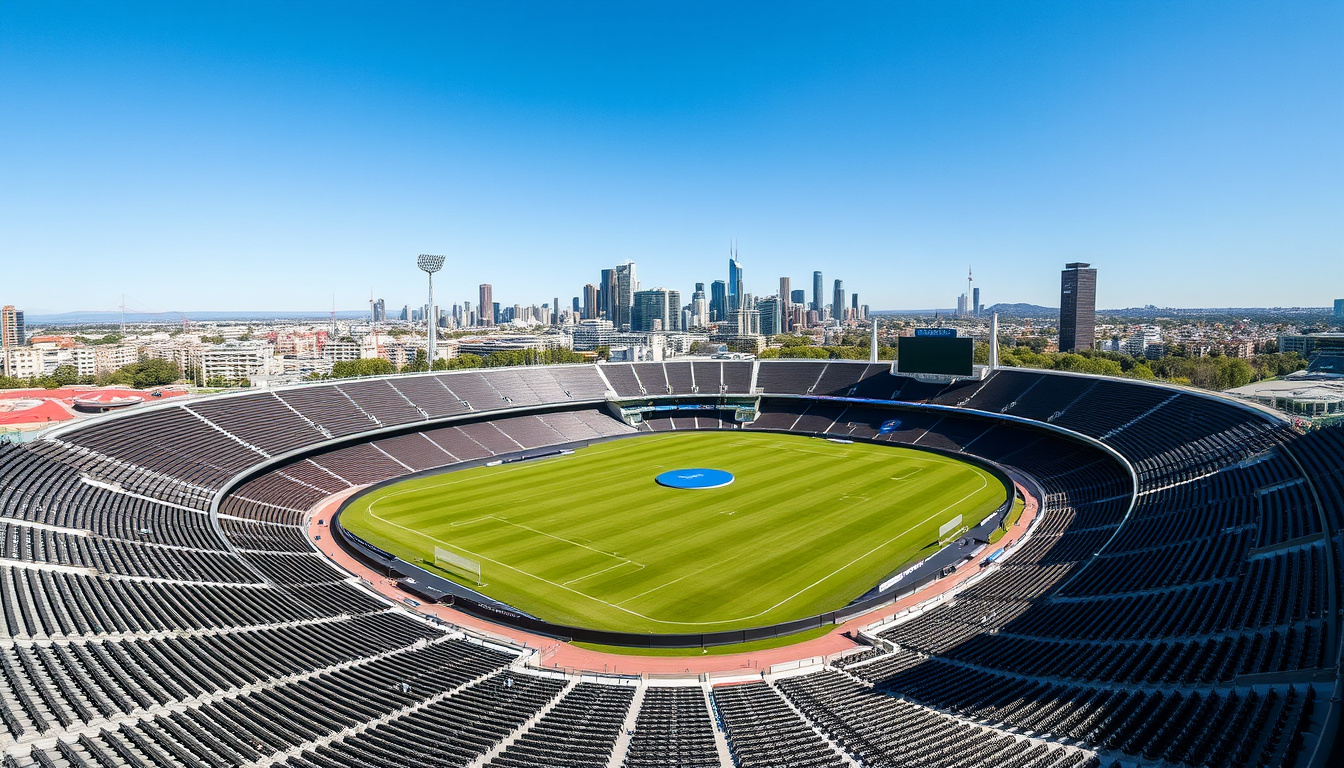
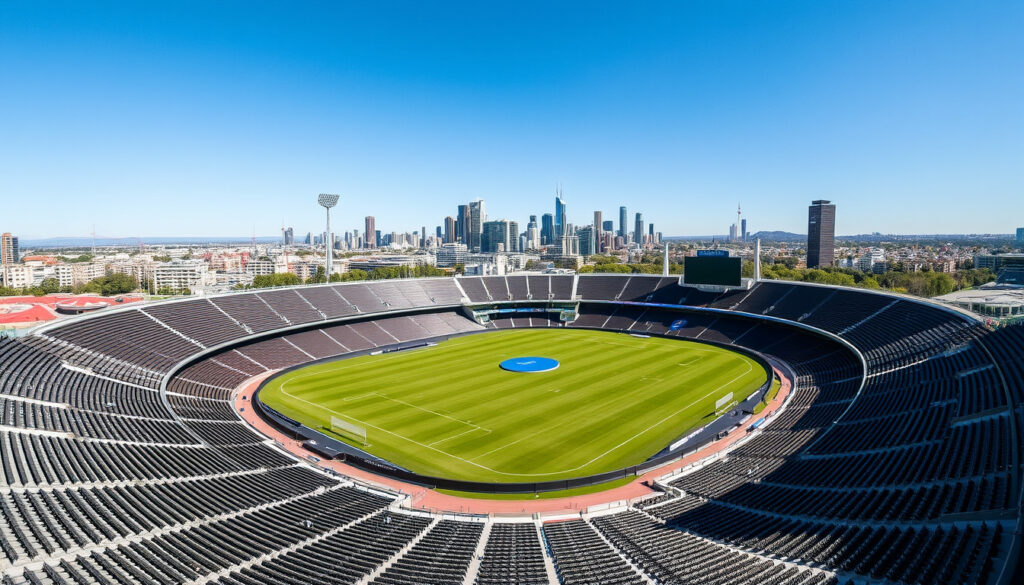
If you’ve caught a rugby league match, A-League game, or a blockbuster concert in Melbourne, chances are it happened at AAMI Park. This stadium in the heart of the city’s sports precinct has been the stage for record-breaking crowds and unforgettable live performances since 2010 — and it’s only gotten better with age.
Location: Melbourne Sports and Entertainment Precinct · Primary Teams: Melbourne Storm, Melbourne Victory · Venue Type: Multi-purpose rectangular stadium · Operator Site: aamipark.com.au
Quick snapshot
- All-seating capacity of 30,050 (Austadiums)
- Record attendance: 29,942 (Australia vs New Zealand, 7 May 2010) (StadiumDB)
- Construction cost AU$268 million, designed by Cox Architects and Arup Sport (StadiumDB)
- Exact current ticket pricing for 2026 season
- Detailed seating maps for specific event configurations
- COVID-era policy updates beyond 2021
- April 2006: Victorian Government announced 20,000-seat stadium (Austadiums)
- 7 May 2010: Official opening with Australia vs New Zealand rugby (StadiumDB)
- 2011: Foo Fighters headlined first concert (Indesign Live)
- Melbourne Storm continues NRL home games
- A-League and Super Rugby seasons rotate tenants
- Major concert calendar expanding post-2023
| Key Facts | Details |
|---|---|
| Official Name | Melbourne Rectangular Stadium (AAMI Park sponsored) |
| Location | Melbourne Sports and Entertainment Precinct |
| Home Teams | Melbourne Storm, Victory, City, Rebels |
| Seating Capacity | 30,050 all-seated |
| Rugby Capacity | 29,500 |
| Record Attendance | 29,942 (Australia vs New Zealand, 7 May 2010) |
| Construction Cost | AU$268 million |
| Opening Date | 7 May 2010 |
| Website | aamipark.com.au |
What is the capacity of AAMI Park?
AAMI Park’s capacity shifts depending on the event configuration. The stadium was designed as an all-seating venue, but different sports require different layouts — and that affects how many fans can fit through the turnstiles.
Sports capacity
For football (soccer) and league matches, AAMI Park accommodates up to 30,050 spectators in its standard configuration. Rugby union events seat slightly fewer at 29,500, accounting for the different field markings and safety requirements (StadiumDB). The record attendance stands at 29,942 — set during the inaugural Australia vs New Zealand rugby match on 7 May 2010, the stadium’s opening day.
The capacity wasn’t always this generous. The Victorian Government initially announced a 20,000-seat stadium in April 2006, upgradeable to 25,000. Melbourne Victory’s pressure for a larger venue — driven by surging A-League crowds — pushed the final design to 30,050 seats (Austadiums). That decision paid off: the venue has hosted record-breaking crowds ever since.
Concert capacity
When AAMI Park transforms into a concert venue, standing configurations can push attendance higher than formal seating numbers suggest. The bioframe canopy — a distinctive geodesic roof structure with LED lighting — covers most seating but leaves some sideline seats exposed to Melbourne’s unpredictable weather (Indesign Live). Concert-goers should check the seating map before purchasing tickets, as stage placement affects sightlines and accessibility.
Who plays at AAMI Park Melbourne?
AAMI Park serves as home base for Melbourne’s major rectangular sport codes. The tenant mix gives the venue a rotating calendar that keeps the stadium busy across multiple seasons.
Rugby teams
Melbourne Storm, the city’s NRL powerhouse, has been a cornerstone tenant since the stadium opened. The club won premierships in 2012, 2015, 2017, and 2020 — drawing passionate crowds that regularly push toward capacity (AAMI Park Official). Super Rugby side Melbourne Rebels also make AAMI Park their home ground, representing Victoria in international club competition.
Football clubs
Melbourne Victory fields its A-League men and women teams at AAMI Park, sharing the venue with cross-town rivals Melbourne City FC. Both clubs have built passionate supporter bases here, with Victory’s purple army creating some of the loudest atmospheres in Australian football (Stadium Journey). The AFL’s Melbourne Demons have also used AAMI Park as a secondary base for select matches (Time Out).
Melbourne Storm draws the most reliable crowds at AAMI Park, but the football clubs bring the biggest spikes in attendance during derby matchups. If you’re hunting tickets, Victory vs City matches sell out fastest.
What happens at AAMI Park?
Beyond the regular season fixtures, AAMI Park hosts an eclectic calendar of sports and entertainment events that keeps the venue relevant year-round.
Upcoming events
The stadium’s event calendar runs the gamut from NRL and A-League regular seasons to Super Rugby round matches. Major international rugby league test matches have drawn record crowds, while football derbies between Melbourne Victory and Melbourne City create electric atmospheres (AAMI Park Official). Concert-wise, AAMI Park has hosted everyone from Foo Fighters (who christened the venue as its first concert act in 2011) to Taylor Swift, Ed Sheeran, Bruce Springsteen, and Queen with Adam Lambert.
Ticket info
Tickets for most events are sold through Ticketek Australia. The venue operates as a card-only entry system with mobile tickets — paper tickets are no longer accepted (Indesign Live). Ticket prices vary by event: the cheapest general admission seats typically range from $20-30, while midfield premium seats can reach $60-80 for high-demand matches (Stadium Journey). Premium suites offer private indoor hospitality with outdoor seating access for corporate guests (Melbourne Park).
AAMI Park’s card-only entry means you need a smartphone with the Ticketek app installed before you arrive. If you’re buying resale tickets, verify they transfer to the official platform — otherwise you risk being turned away at the gate.
Where is AAMI Park located?
AAMI Park sits within the Melbourne Sports and Entertainment Precinct, making it a central hub for anyone attending multiple venues in the area.
Suburb and address
The stadium is located in Olympic Park, part of the broader Melbourne Park precinct in the inner-city suburb of Melbourne. The precise address places it adjacent to Rod Laver Arena and Margaret Court Arena — the tennis venues that host the Australian Open each January (Austadiums). The precinct sits approximately 3 kilometers from Melbourne’s CBD, easily reachable via tram, train, or on foot from Richmond and Flinders Street stations.
Access details
Melbourne’s tram network services the precinct directly, with Route 70 trams stopping at the Melbourne Park entrance. Flinders Street and Richmond stations are both within walking distance. For those driving, limited parking is available in surrounding streets — public transport is strongly recommended on event nights.
AAMI Park’s central location makes it accessible, but that same convenience means event nights gridlock nearby roads. Arriving 45 minutes before kickoff gives you buffer time to clear security and find your seat without missing the opening whistle.
Are Melbourne Park and AAMI Park the same?
This is one of the most common points of confusion for visitors — and it’s understandable given how the precinct is branded.
Key differences
Melbourne Park is the broader sports and entertainment precinct that houses multiple venues. AAMI Park is specifically the rectangular stadium within that precinct, sponsored by insurance provider AAMI. The official name is Melbourne Rectangular Stadium, but the sponsorship deal means everyone calls it AAMI Park (Austadiums).
Shared precinct
The Melbourne Park precinct also contains Rod Laver Arena, Margaret Court Arena, and the National Tennis Centre. These venues share the same general address and transport links but operate as distinct facilities under the Melbourne Olympic Parks Trust (MOPT) management (Austadiums). AAMI Park replaced the old Olympic Park Stadium, which previously hosted rectangular sports but offered only 11,000 of its 18,500 seats as actual seating.
Key facts at a glance
| Facilities | 24 corporate boxes (18 seats each), 1,000-capacity dining room, 14 bars, elite training centre, gymnasium, lap pool |
| Pitch dimensions | 136 × 82 metres |
| Video screens | Two screens in opposite corners |
| Roof type | Geodesic bioframe canopy with LED lighting |
| Seating style | All undercover; good sightlines; no cup holders or padded seats |
| Ticket vendor | Ticketek Australia (card-only entry with mobile tickets) |
What we know vs what’s uncertain
Confirmed
- Melbourne Storm and Victory are primary tenants (AAMI Park Official)
- 30,050 all-seating capacity for football (Austadiums)
- Opened 7 May 2010 with record rugby attendance (StadiumDB)
- Foo Fighters was first concert in 2011 (Indesign Live)
- Card-only entry with Ticketek mobile tickets (Indesign Live)
Unclear
- Exact 2026 ticket pricing for upcoming season
- COVID policy updates beyond 2021
- Detailed current seating maps for specific events
What people say
AAMI Park has an all-seating capacity of 30,050 and offers an intimate atmosphere with not a bad seat in the house.
— Austadiums (Stadium Database)
AAMI Park is one of Australia’s premier rectangular stadiums, renowned for hosting Melbourne’s most celebrated sports and entertainment events.
— AAMI Park Official (Official Site)
The all-seated intimate stadium is a rectangular football stadium, which has a unique ‘bioframe’ design featuring 30,000 seats.
— Stadium Journey (Review Site)
The bottom line
AAMI Park has earned its reputation as Australia’s premier rectangular stadium through a combination of smart design, strategic tenant mix, and consistent high attendance. The venue’s 30,050-seat capacity strikes the right balance — large enough to host major international matches and blockbuster concerts, yet intimate enough that every seat feels close to the action.
For sports fans, the choice of which match to attend is clear: NRL and A-League derbies at AAMI Park consistently deliver the best atmospheres in Melbourne.
Related reading: Portugal National Football Team · UEFA Champions League Table
Melbourne Victory supporters tracking their standings against Auckland FC know AAMI Park delivers electric atmospheres for every home clash.
Frequently asked questions
What is AAMI Park used for?
AAMI Park hosts rugby league (Melbourne Storm), rugby union (Melbourne Rebels), football (Melbourne Victory, Melbourne City), and major concerts. It’s a multi-purpose rectangular stadium designed for sports that require elongated playing fields rather than oval configurations.
How do I buy tickets for AAMI Park events?
Tickets are sold through Ticketek Australia. The venue operates as card-only entry — you’ll need to present your mobile ticket on the Ticketek app when entering. Avoid third-party resellers that can’t transfer tickets to the official platform.
What is the seating capacity at AAMI Park?
AAMI Park accommodates 30,050 spectators for football (soccer) matches and 29,500 for rugby union. The slight difference reflects the different field configurations and safety requirements for each sport. All seating is undercover thanks to the bioframe roof.
Which teams’ home ground is AAMI Park?
Melbourne Storm (NRL), Melbourne Victory (A-League), Melbourne City FC (A-League), and Melbourne Rebels (Super Rugby) all use AAMI Park as their home ground. The AFL’s Melbourne Demons have also used the venue for select matches.
Is AAMI Park near the city center?
Yes. AAMI Park sits approximately 3 kilometers from Melbourne’s CBD within the Melbourne Sports and Entertainment Precinct. It’s accessible by tram (Route 70), train (Flinders Street or Richmond stations), or a short walk from central Melbourne.
What concerts are held at AAMI Park?
AAMI Park has hosted major international acts including Foo Fighters, Taylor Swift, Ed Sheeran, Bruce Springsteen, Robbie Williams, Elton John, and Queen with Adam Lambert. The venue’s first concert was Foo Fighters in 2011.
How to get to AAMI Park Melbourne?
Take Route 70 tram to the Melbourne Park entrance, or walk from Flinders Street or Richmond stations. On event nights, public transport is strongly recommended as surrounding streets become congested. Limited street parking is available but fills quickly.
Does AAMI Park host rugby matches?
Yes. Melbourne Storm (NRL) and Melbourne Rebels (Super Rugby) both play home matches at AAMI Park. The stadium’s rugby capacity is 29,500, slightly lower than its football capacity of 30,050 due to different field layout requirements.

Andrew Ellis leads fact-checking, source verification and corrections at Oz Insightlab.